A practical story
From broad shopping list to one useful starting set
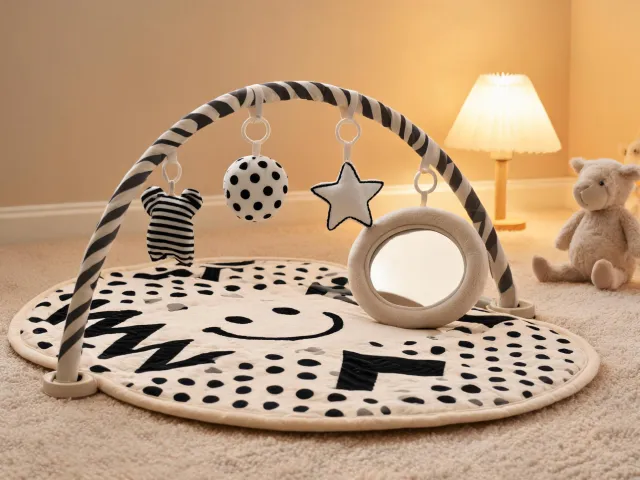
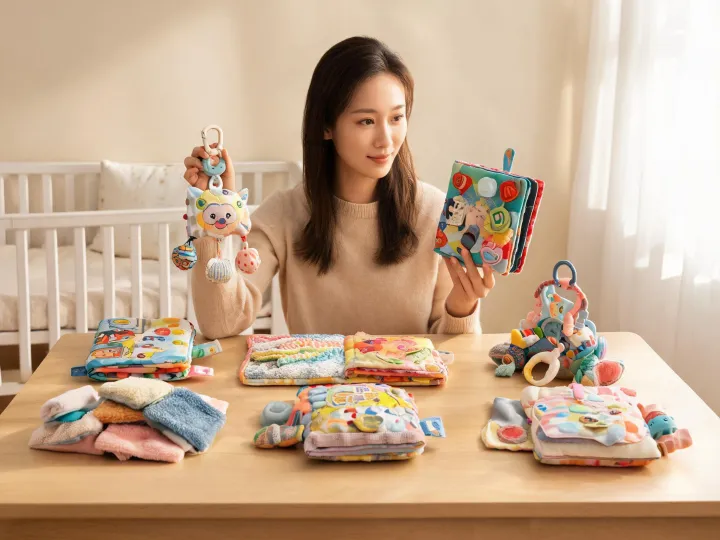
A family may begin with a phrase like "new baby gift" or "something for the stroller." That is a normal starting point, but it is too broad to make a confident choice. The Lamaze guide narrows the question by asking where the product will be used, how old the baby is, and which kind of sensory cue would be most welcome. A newborn may need contrast and a soft surface for short floor moments. An older baby may be ready for rings, textures, and a character that invites reaching. A toddler may respond to naming, stacking, and simple routines that can be repeated.
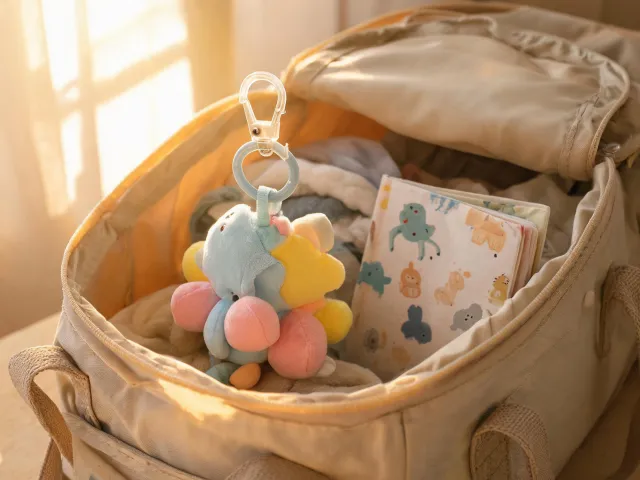
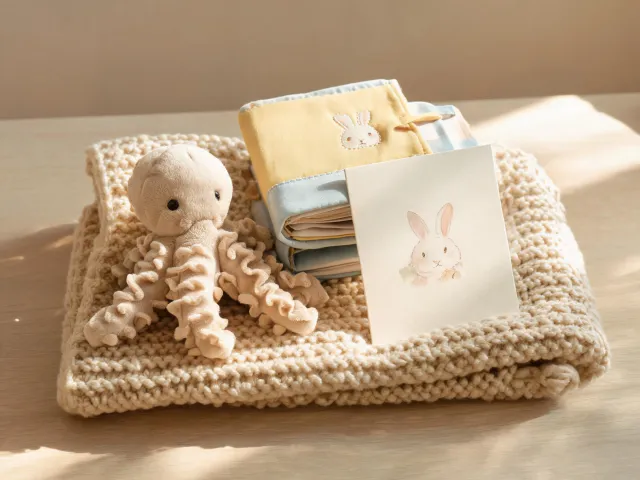
The guide also considers the adult using the product. A grandparent may want a gift that looks complete and is easy to explain. A parent may need something compact for the car seat or stroller. A daycare bag may need a soft item that is easy to recognize and clean. By naming those conditions, the buying path becomes more useful than a long product wall.